
You probably notice how everything you do today leaves behind a digital footprint. When you shop online, stream music, use GPS, scroll social media, or adjust a smart thermostat, data is being created in the background. It happens quietly, but the volume is massive. That’s why the world now talks so much about “big data.” There’s more information available than humans could ever analyze on their own.
The real challenge isn’t collecting data. It’s understanding it. That’s where today’s technology steps in. Modern tools help transform mountains of scattered information into patterns you can actually use. Companies can discover what customers prefer, doctors can catch early signs of health issues, and even your own devices can predict what you might need next. These abilities come from systems designed to organize data in ways that mirror how you think, helping machines interpret meaning instead of simply storing numbers.
To really see how this works, it helps to look at the technologies that give structure to information and make sense of its relationships.
How Modern Data Systems Organize Information
Modern technology processes an overwhelming amount of information every second, and yet most of it starts scattered, unstructured, and difficult to interpret. You interact with this kind of data constantly, whether you’re browsing online, using navigation apps, or receiving personalized recommendations, but you rarely see how it’s organized behind the scenes. For companies in areas like retail, healthcare, and finance, making sense of all this information requires a system known as a knowledge graph that can connect related pieces in a more meaningful way. So, what is a knowledge graph and why does it matter? It’s a framework that maps relationships between different entities, such as customers, products, transactions, or events, in a way that mirrors human reasoning. It helps systems understand how one action influences another, interpret information more accurately, and support faster, more confident decision-making. When organizations rely on these connected models, they gain clearer insights, stronger predictions, and a better understanding of how everything fits together.
The Role of Artificial Intelligence in Interpreting Big Data
Once information is organized, artificial intelligence steps in to interpret it. AI is powerful because it can process massive amounts of data in seconds, something no human team could ever keep up with. When you use a streaming platform and it instantly recommends a movie you’ll probably like, that’s AI analyzing your past choices, comparing them with millions of others, and spotting patterns.
AI looks for trends, behaviors, and relationships that aren’t always obvious. It can identify anomalies, predict what might happen next, and even categorize information automatically. From fraud detection to virtual assistants to customer service bots, AI helps turn raw information into something useful. What makes AI so effective is its ability to learn over time. The more data it sees, the better it becomes at interpreting future data.
You benefit from this every day without noticing it. Traffic apps predict delays before you hit the road. Online stores recommend products you didn’t realize you needed. Even spam filters improve as new threats appear. AI is constantly working behind the scenes to make data meaningful and helpful to you.
From Raw Information to Actionable Insights
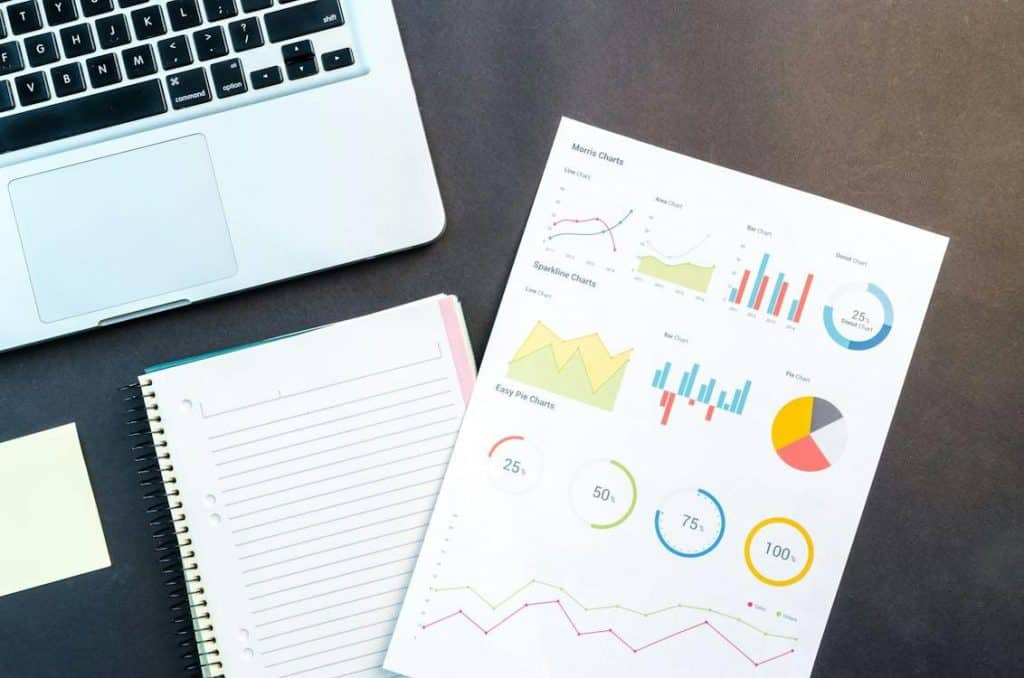
While AI interprets data, analytics tools help you understand it. Think of analytics as the part that explains what’s happening, why it’s happening, and what you should do next. These tools break down information into forms you can easily digest, such as charts, graphs, dashboards, or short summaries.
Descriptive analytics shows you the facts, like how many people visited a website this week. Diagnostic analytics digs deeper to explain why a sudden spike occurred. Predictive analytics uses patterns to forecast future behavior, such as which products might sell out soon. And prescriptive analytics recommends actions based on those predictions.
If you’ve ever checked a dashboard at work or looked at weekly reports, you’ve seen this process in action. Businesses rely heavily on analytics to improve marketing, reduce costs, prevent errors, and understand customer behavior. You may use analytics in your personal life, too; fitness apps track your habits, budgeting apps suggest spending improvements, and even smart home devices optimize energy use. Analytics turns raw data into practical decisions.
How Cloud Technology Makes Data Accessible
Processing big data requires a lot of computing power, which is where cloud technology becomes essential. Instead of relying on physical servers or expensive hardware, companies store and process data online. This allows you to access information from anywhere and scale your tools as needed.
For example, if an online store suddenly experiences a rush of visitors during a sale, cloud systems can automatically handle the extra demand. If a company needs more storage, it can add it instantly without buying new equipment. You benefit from the cloud every time you use apps that sync across devices, check a file remotely, or stream content without downloading it.
The cloud democratizes data processing. It allows small businesses and large organizations alike to work with big data tools previously available only to corporations with massive budgets. With real-time updates, faster processing, and built-in security, the cloud makes modern data technology accessible and dependable.
Real-World Examples of Big Data at Work
Big data might sound like a technical concept, but it has real, everyday applications that you experience constantly. Retailers use it to understand what shoppers want, when they want it, and how much they’re willing to pay. Transportation apps rely on data to recommend the fastest routes and predict traffic before it forms. Healthcare providers analyze symptoms, medical histories, and research data to improve early detection and patient care.
Even your home uses data to work better. Smart thermostats learn your routine and adjust temperatures automatically. Voice assistants recognize your preferences and respond more accurately over time. Fitness apps track your habits and encourage healthier choices. Across industries, data provides insights that make life more efficient, personalized, and convenient.
Looking ahead, data systems will only get smarter. New technologies like edge computing will allow devices to process information right where it’s created, reducing delays and improving real-time decisions. AI models will continue to evolve, becoming more intuitive and capable of understanding complex human behavior.
At the same time, concerns about privacy and responsible data use will grow. You’ll see stronger regulations, better encryption methods, and a greater emphasis on transparent data practices. The relationship between humans and technology will become more collaborative, with systems designed to enhance daily life without overwhelming you.
What’s clear is that the future of data is more connected and more personalized. As these technologies advance, the insights you receive will become even more helpful and immediate.